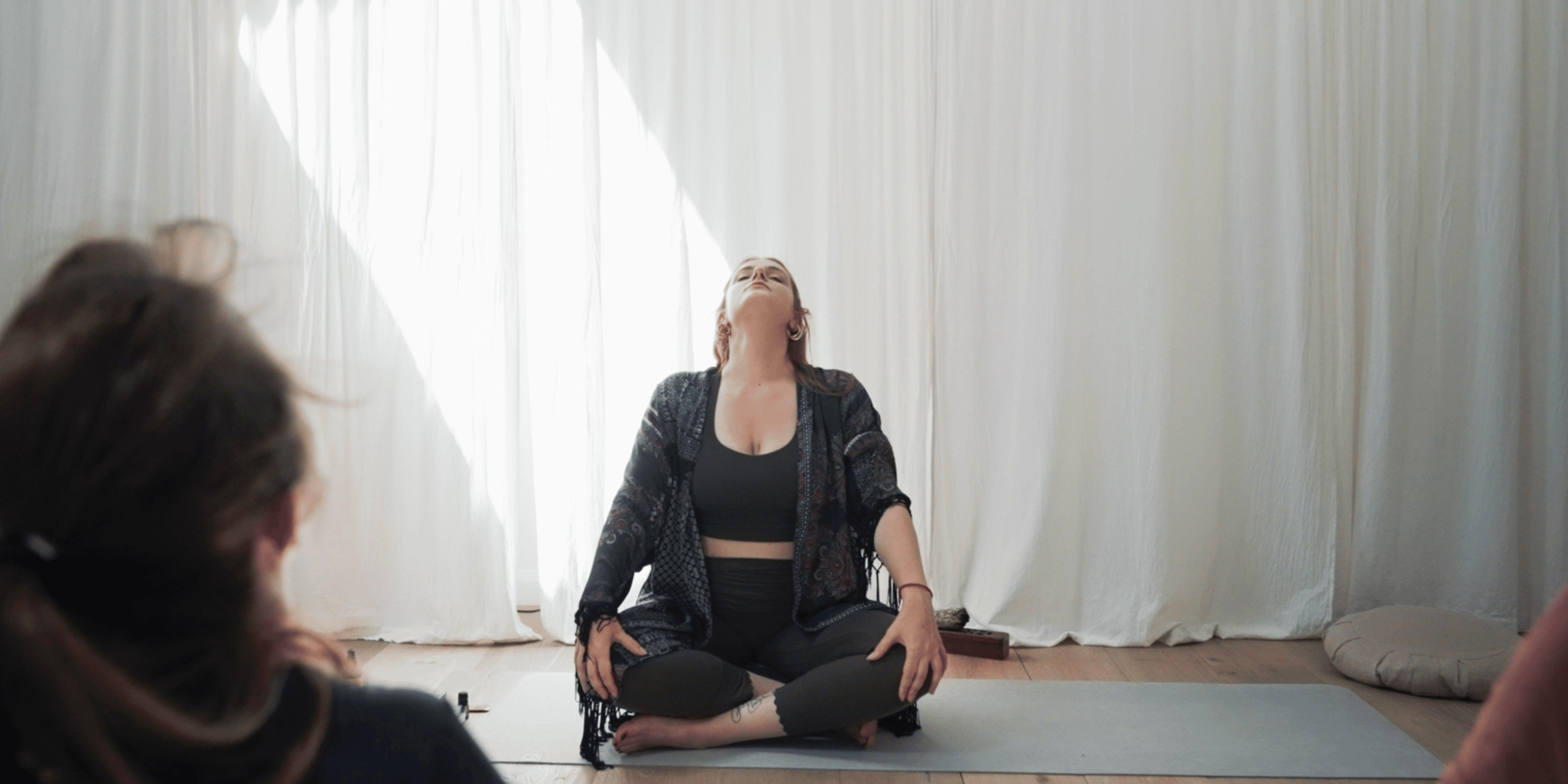
Fully Holistic (Mind, Body, Energy)
Yoga
Yoga is a practice that combines physical postures, breathing techniques and relaxation or meditation. Styles range from slow and restorative to strong and dynamic, so there’s a version for every body and fitness level. People practise yoga for flexibility, strength, back pain, stress, sleep and feeling more at home in their body.
A person who fits you. Not another endless search.
Vetted practitioners · Concession rates available · Free to match
Explore what it can help with ↓
You might be here because…
You’ve been meaning to start yoga for years, and every class timetable makes you feel like you’re already behind.
Your hips and hamstrings feel like they belong to someone twenty years older.
You want a form of exercise that also calms you down, instead of winding you up.
You tried a busy class once, couldn’t keep up and never went back.
What people say
“Yoga has improved my flexibility, strength, and mental clarity. I really thought it was simply exercise when I started but it has completely hooked me thanks to the mental freedom it offers during and after each class."
What it can help with
Strength and flexibility
Less stress
Help with back pain
Better sleep
A University of York trial of 313 people with chronic lower back pain found that those who did a 12-week yoga programme had better back function than those who received usual GP care, with benefits still visible months later.
What people get wrong about Yoga
Myth
“Yoga is only about flexibility.”
Fact
Yoga builds strength, balance and focus too. Flexibility comes with practice, so you don’t need it to begin.
Myth
“Yoga is too slow to make you stronger.”
Fact
Styles like vinyasa and ashtanga are physically demanding. Even slower styles build strength through holding postures.
Myth
“You need to be spiritual to do yoga.”
Fact
Most people come for their body and their stress levels. The deeper traditions are there if you want them.
“Our workplace yoga sessions have become a much-loved part of the week. Employees feel more focused and less stressed afterward.”
In depth

What it costs
Private yoga sessions in London usually cost £60 to £100. Group classes are around £12 to £25, and online classes often less. Many Ark practitioners offer concession rates.
Ways to experience it
1-to-1 sessions
Workshops
Online workshops
Retreats
Private events
At work
“Yoga was the perfect start to our networking event. Guests left feeling relaxed, grounded, and ready for the day.”
FREE PERSONAL MATCHING
Find the right person for you.
You don’t have to work out who’s right for you alone. Tell us what you need, and Ark will match you with vetted practitioners who fit.
What’s on your mind, what you need, and how you’d like to receive support.
Personally picked services and practitioners, chosen around your needs. A starting point that understands you.
Ask a question. Get a feel for the person. Decide when you’re ready, no obligation.
Looking for someone else? Send them this page.
Questions people ask about Yoga
What type of yoga is best for beginners?
Hatha and gentle yoga are great places to start because they move slowly and explain each posture. Yin and restorative yoga are ideal if you mainly want to relax.
Can yoga help with back pain?
Research shows regular yoga can improve function and reduce pain for many people with chronic lower back pain. Tell your teacher about any back problems so they can adapt postures.
Do I need to be flexible to start yoga?
No. Flexibility comes from practising. Teachers offer variations and props so everyone can take part.
How often should I do yoga?
Two or three times a week brings noticeable changes, but even one class a week helps. Short home practices between classes are great too.
Is private yoga worth it?
Private sessions help you learn safely and build confidence, especially with injuries or specific goals. Many people book a few one-to-ones before joining a group class.