Fully Holistic (Mind, Body, Energy)
Reflexology
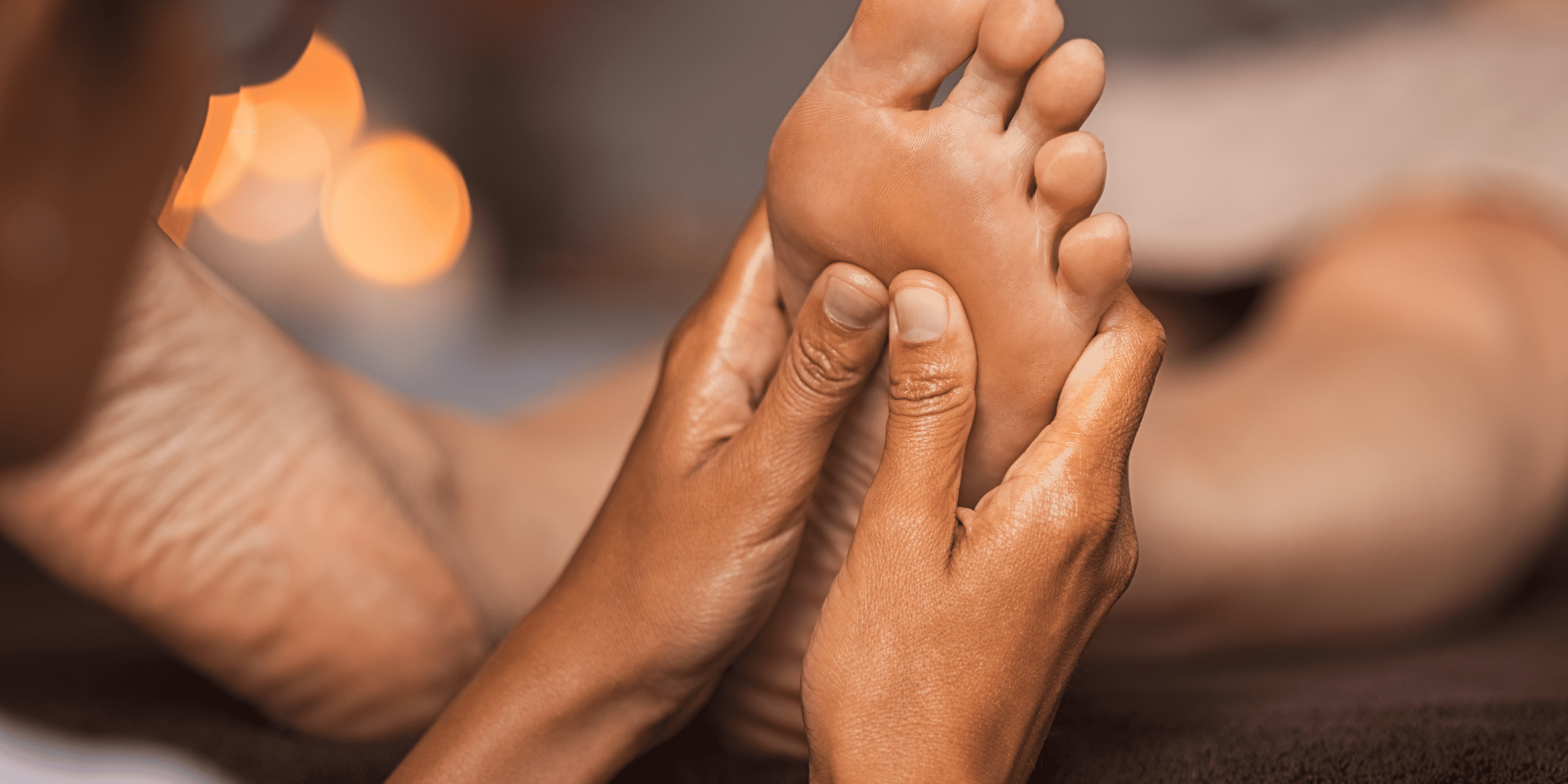
Reflexology is a complementary therapy where a practitioner applies gentle pressure to specific points on your feet, hands or ears. These points are believed to correspond to different areas of the body. Most people find it deeply relaxing, and use it for stress, sleep, tension and general wellbeing. It’s done with only your shoes and socks off.
A person who fits you. Not another endless search.
Vetted practitioners · Concession rates available · Free to match
Explore what it can help with ↓
You might be here because…
You haven’t slept properly in weeks and you need something that actually lets you switch off.
The idea of undressing for a massage feels like too much right now.
You’re on your feet all day and they ache by the time you get home.
You want a gift for someone you love who never stops looking after everyone else.
What people say
“So glad I finally tried it! Reflexology sessions have done wonders for my stress and digestion. It’s amazing how working on the feet can create such a sense of balance. It's like magic, will be booking again soon. Thank you”
What it can help with
Deep relaxation
Better sleep
Relief for tired feet
Easy to say yes to
Modern reflexology was shaped in the 1930s by American physiotherapist Eunice Ingham, who mapped the feet to areas of the body. Today it’s offered as a complementary therapy in some NHS hospitals, hospices and cancer support centres, mainly to help with relaxation and comfort.
What people get wrong about Reflexology
Myth
“It’s just a foot massage.”
Fact
Reflexology uses specific pressure techniques on mapped points. It feels different from a foot rub, slower and more precise.
Myth
“It has no benefits at all.”
Fact
Research on reflexology treating specific conditions is limited. What people consistently report is deep relaxation, which can help with stress and sleep.
Myth
“You have to love feet.”
Fact
Your practitioner will work at a pressure that feels comfortable, and can use your hands instead if you’d prefer.
“Our team felt incredibly relaxed and refreshed after their reflexology sessions. It was a great way to promote workplace wellbeing.”
In depth

What it costs
Reflexology in London usually costs £50 to £80 for a 45 to 60 minute session. Many Ark practitioners offer concession rates.
Ways to experience it
1-to-1 sessions
Workshops
Online workshops
Retreats
Private events
At work
“Guests couldn’t stop talking about the reflexology sessions at our retreat. It was the perfect mix of relaxation and healing.”
FREE PERSONAL MATCHING
Find the right person for you.
You don’t have to work out who’s right for you alone. Tell us what you need, and Ark will match you with vetted practitioners who fit.
What’s on your mind, what you need, and how you’d like to receive support.
Personally picked services and practitioners, chosen around your needs. A starting point that understands you.
Ask a question. Get a feel for the person. Decide when you’re ready, no obligation.
Looking for someone else? Send them this page.
Questions people ask about Reflexology
What does reflexology feel like?
Most people find it calming, like a firm, focused foot massage. Some points may feel tender. Tell your reflexologist and they’ll adjust the pressure.
Can reflexology help with sleep?
Many people say reflexology helps them relax and sleep better. Evidence for specific conditions is limited, but the relaxation it brings can make a real difference to rest.
Is reflexology safe in pregnancy?
Many reflexologists avoid treating in the first trimester and offer specialist maternity reflexology later in pregnancy. Always tell your practitioner if you’re pregnant.
How often should I have reflexology?
Some people book weekly for a few weeks during a stressful time, then monthly. Others book when they feel they need it.
Do I need to do anything to prepare for reflexology?
Wear comfortable clothes and avoid a heavy meal just before. Drinking water afterwards helps you feel your best.