Fully Holistic (Mind, Body, Energy)
Pre and Postnatal Support
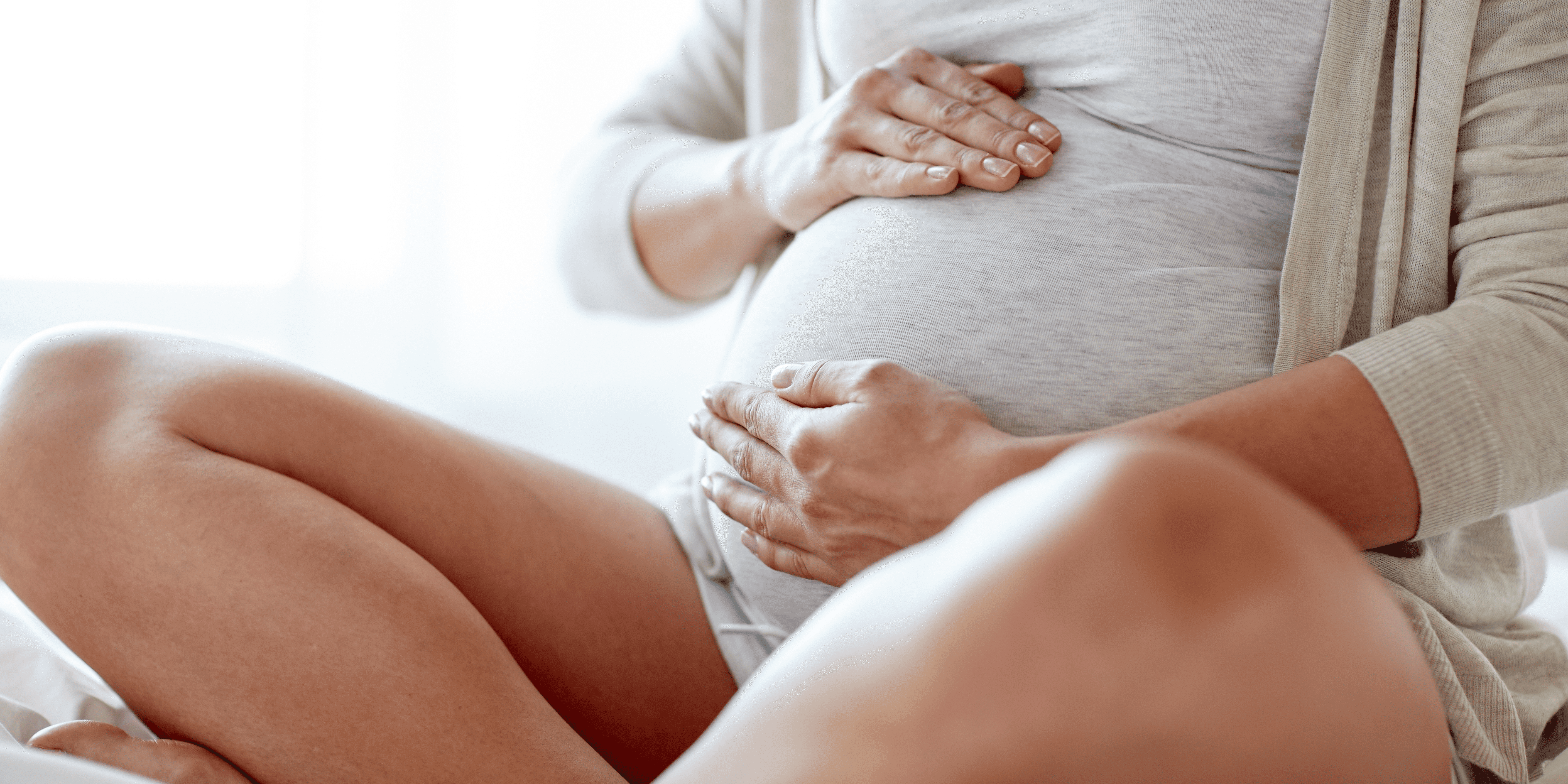
Pre and postnatal support covers care for your body and mind during pregnancy and after birth. It can include pregnancy yoga and Pilates, pelvic floor and core recovery, pregnancy massage, birth preparation, emotional support and help with sleep, feeding stress and identity changes. Practitioners tailor support to your stage, whether that’s first trimester or two years postpartum.
A person who fits you. Not another endless search.
Vetted practitioners · Concession rates available · Free to match
Explore what it can help with ↓
You might be here because…
You’re 30 weeks pregnant, your hips ache every night and you’d love to feel strong for the birth.
Your baby is six months old and you still leak a little when you sneeze, and nobody has asked about it.
You love your baby completely and you still don’t recognise yourself.
Your six-week check lasted ten minutes, and you have about forty questions left.
What people say
“Pre-natal support helped me manage pregnancy discomfort and prepare for labour. Post-birth sessions have been essential for my recovery and confidence.”
What it can help with
A more comfortable pregnancy
Confidence for birth
Real recovery
Support for your mind
NICE recommends that women are offered pelvic floor muscle training from their first pregnancy, to help prevent bladder and bowel problems later on. Leaking after birth is common, and it’s treatable at any stage.
What people get wrong about Pre and Postnatal Support
Myth
“It’s only for first-time mums.”
Fact
Every pregnancy and recovery is different. Second and third pregnancies often bring new aches and very little time to look after yourself.
Myth
“You shouldn’t exercise when you’re pregnant.”
Fact
For most pregnancies, staying active is recommended. A pre and postnatal specialist helps you choose movement that’s safe and feels good.
Myth
“Postnatal care ends at six weeks.”
Fact
Recovery can take months or longer, especially after a difficult birth or a caesarean. It’s never too late to get support, even years later.
“Our company’s pre and postnatal support initiative was a fantastic resource for our employees."
In depth

What it costs
Pre and postnatal sessions in London usually cost £50 to £100 one-to-one, with group classes around £15 to £25. Many Ark practitioners offer concession rates.
Ways to experience it
1-to-1 sessions
Workshops
Online workshops
Retreats
Private events
At work
“The pre-natal wellness sessions were perfect for our baby shower event. Guests were grateful for the expert guidance and care. Even those who aren't parents / expecting loved the wellbeing element and got a lot from it”
FREE PERSONAL MATCHING
Find the right person for you.
You don’t have to work out who’s right for you alone. Tell us what you need, and Ark will match you with vetted practitioners who fit.
What’s on your mind, what you need, and how you’d like to receive support.
Personally picked services and practitioners, chosen around your needs. A starting point that understands you.
Ask a question. Get a feel for the person. Decide when you’re ready, no obligation.
Looking for someone else? Send them this page.
Questions people ask about Pre and Postnatal Support
When can I start exercising after giving birth?
Gentle pelvic floor exercises and walking can usually start in the first days. Most women wait until their six to eight week check for more structured exercise, and longer after a caesarean or a difficult birth. A postnatal specialist can guide you step by step.
Is it normal to leak after having a baby?
It’s very common, and it isn’t something you just have to live with. Pelvic floor training helps most women. If it doesn’t improve, ask your GP about a referral to a women’s health physiotherapist.
What kind of exercise is safe in pregnancy?
Walking, swimming, pregnancy yoga and Pilates are popular choices. Avoid contact sports and lying flat on your back for long periods later in pregnancy. Check with your midwife if you have complications.
Can I get support if my baby is already older?
Yes. Postnatal recovery doesn’t have an end date. Plenty of women start working on their core, pelvic floor or wellbeing a year or more after birth.
What if I’m struggling with my mood after birth?
You’re not alone and it isn’t your fault. Speak to your GP, midwife or health visitor as soon as you can. If you have thoughts of harming yourself or your baby, call 999 or NHS 111 option 2 straight away.