Fully Holistic (Mind, Body, Energy)
Osteopathy
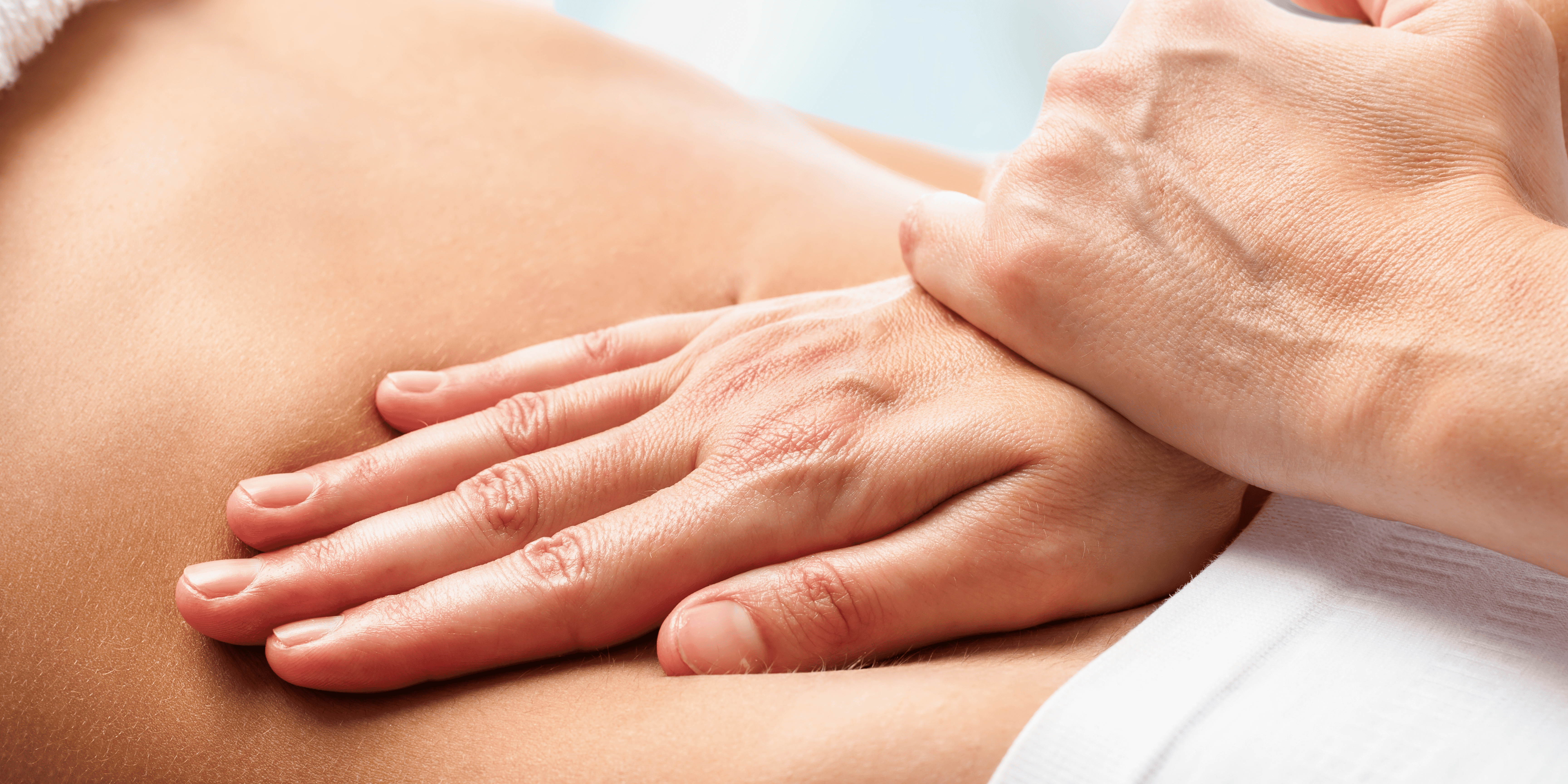
Osteopathy is a regulated, hands-on treatment for muscle, joint and nerve problems. An osteopath assesses how your whole body moves, then uses techniques like massage, stretching and gentle joint manipulation to ease pain and improve movement. People see osteopaths for back and neck pain, headaches, sports injuries, joint pain and pregnancy-related aches.
A person who fits you. Not another endless search.
Vetted practitioners · Concession rates available · Free to match
Explore what it can help with ↓
You might be here because…
Your neck locks up after long days at the laptop and you’re living on ibuprofen.
Your lower back went when you picked up the shopping, and you’re scared to bend down again.
You get headaches that start at the base of your skull and creep forward.
You’re pregnant and your pelvis and back ache in ways nobody warned you about.
What people say
“Osteopathy has been a game-changer for my chronic joint pain. My mobility has improved dramatically, and I feel more aligned and balanced.”
What it can help with
Less pain
Freer movement
Better posture
Whole-body care
Since the Osteopaths Act 1993, it’s illegal to call yourself an osteopath in the UK unless you’re registered with the General Osteopathic Council. You can check any osteopath’s registration on the GOsC website.
What people get wrong about Osteopathy
Myth
“Osteopaths only treat back pain.”
Fact
Back pain is common, but osteopaths also treat neck pain, headaches, shoulder, hip and knee problems, sports injuries and pregnancy aches.
Myth
“It’s all clicks and cracks.”
Fact
Joint manipulation is only one technique, and you can always say no to it. Many treatments use massage, stretching and gentle movement.
Myth
“It’s the same as chiropractic.”
Fact
Both are regulated and treat similar problems. Osteopaths tend to look at the body as a whole and use a wider mix of soft tissue techniques.
“Our employees benefitted immensely from the on-site osteopathy sessions. They appreciated the focus on posture and injury prevention.”
In depth

What it costs
Osteopathy in London usually costs £60 to £100 for a first appointment and £50 to £85 for follow-ups. Many Ark practitioners offer concession rates.
Ways to experience it
1-to-1 sessions
Workshops
Online workshops
Retreats
Private events
At work
“The osteopathy sessions were a wonderful (and very unique) addition to our fitness retreat. It complemented the other activities so well, thanks for joining us.”
FREE PERSONAL MATCHING
Find the right person for you.
You don’t have to work out who’s right for you alone. Tell us what you need, and Ark will match you with vetted practitioners who fit.
What’s on your mind, what you need, and how you’d like to receive support.
Personally picked services and practitioners, chosen around your needs. A starting point that understands you.
Ask a question. Get a feel for the person. Decide when you’re ready, no obligation.
Looking for someone else? Send them this page.
Questions people ask about Osteopathy
Does osteopathy hurt?
Most treatment feels comfortable. You may feel some soreness for a day or two afterwards, similar to after exercise. Tell your osteopath if anything feels too much.
Do I need a GP referral to see an osteopath?
No. You can book directly. Some health insurers ask for a referral, so check your policy if you’re claiming.
How many osteopathy sessions will I need?
Many people feel better within two to four sessions. Long-term problems may need more, and your osteopath should explain their plan.
Is osteopathy safe in pregnancy?
Yes, with a registered osteopath. Many specialise in pregnancy-related back, hip and pelvic pain and use positions that keep you comfortable.
What’s the difference between an osteopath and a chiropractor?
Both are regulated and treat similar problems. Osteopaths often use more soft tissue work and look at the whole body, while chiropractors focus more on the spine and joint adjustments.