
Cognative Support
Mindfulness
Mindfulness means paying attention to what’s happening right now, in your body, mind and surroundings, with curiosity instead of judgement. It’s learnt through short practices like focusing on your breath, a body scan or mindful walking. People use it for stress, anxiety, low mood, focus and simply feeling more present in their own lives.
A person who fits you. Not another endless search.
Vetted practitioners · Concession rates available · Free to match
Explore what it can help with ↓
You might be here because…
You arrive at work with no memory of the journey because you were already living the day ahead.
You sit down with your kids and realise you’ve been scrolling for twenty minutes.
One small criticism turns into a whole night of overthinking.
You’ve downloaded the apps and opened them twice.
What people say
“Practicing mindfulness has changed how I relate to stress. I’m more present in my daily life and can handle tough situations with greater ease.”
What it can help with
Less stress
Sharper focus
Kinder self-talk
More of your life
NICE recommends mindfulness-based cognitive therapy, an eight-week group course, for people who have had depression before and want to reduce the chances of it coming back.
What people get wrong about Mindfulness
Myth
“Mindfulness is just meditation.”
Fact
Meditation is one way to practise. You can also be mindful while you walk, eat, wash up or listen to a friend.
Myth
“You need a calm space to practise.”
Fact
It works in a busy Tube carriage or a noisy kitchen. That’s often where it helps most.
Myth
“It takes too much time.”
Fact
A few minutes a day is enough to start feeling a difference, and you can fit it into things you already do.
“Our mindfulness workshop helped our team develop skills to stay present and focused, which has already improved our work environment.”
In depth
What it costs
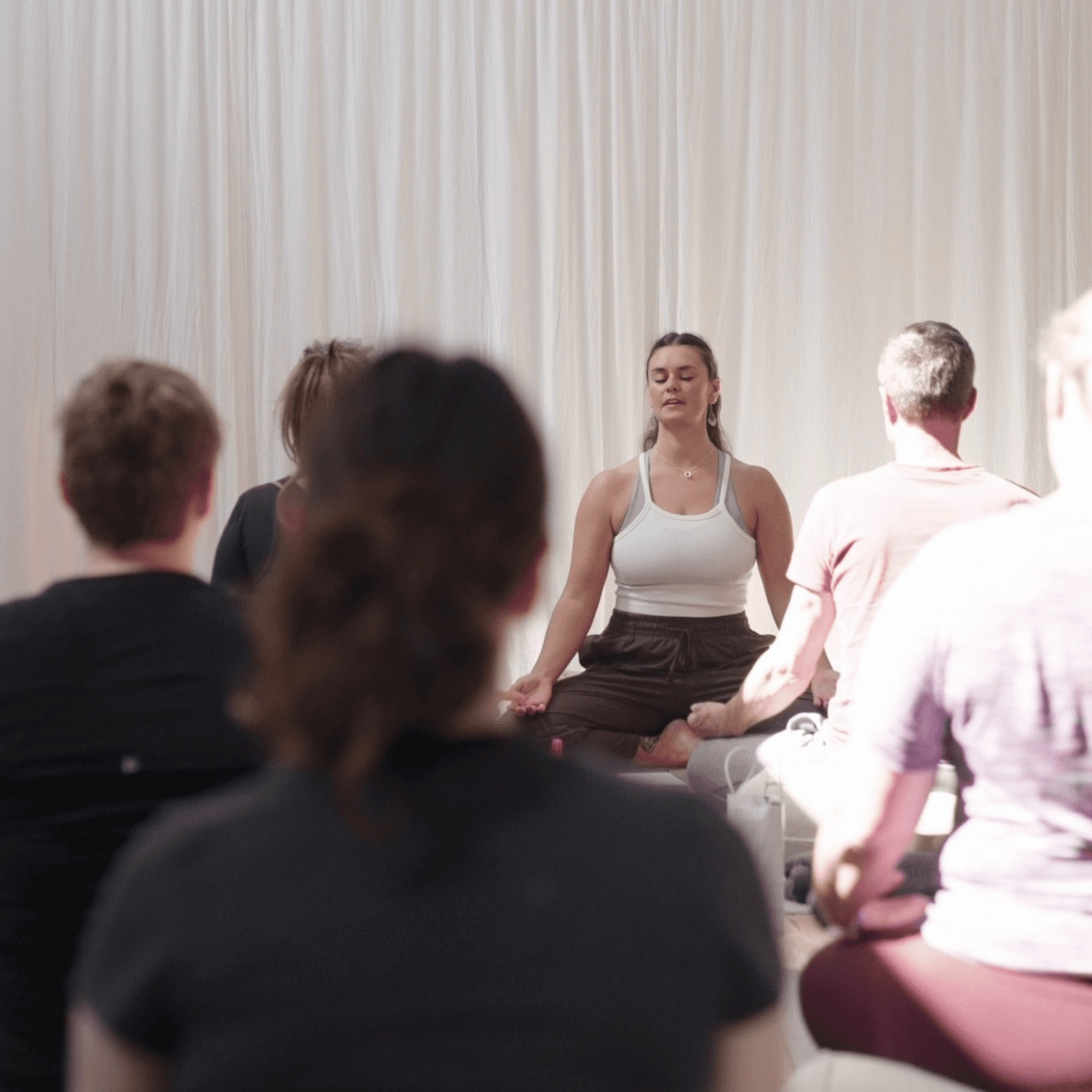
One-to-one mindfulness sessions in London usually cost £50 to £100. Eight-week courses run from around £200 to £400, and drop-in groups from £10 to £25. Many Ark practitioners offer concession rates.
Ways to experience it
1-to-1 sessions
Workshops
Online workshops
Retreats
Private events
At work
“The mindfulness session added a calming element to our event. Attendees appreciated the chance to slow down and be present.”
FREE PERSONAL MATCHING
Find the right person for you.
You don’t have to work out who’s right for you alone. Tell us what you need, and Ark will match you with vetted practitioners who fit.
What’s on your mind, what you need, and how you’d like to receive support.
Personally picked services and practitioners, chosen around your needs. A starting point that understands you.
Ask a question. Get a feel for the person. Decide when you’re ready, no obligation.
Looking for someone else? Send them this page.
Questions people ask about Mindfulness
What is the difference between mindfulness and meditation?
Mindfulness is a way of paying attention to the present moment. Meditation is a formal practice, often used to train that attention. You can be mindful without meditating, for example while walking or eating.
Can mindfulness help with anxiety?
Research shows mindfulness can reduce anxiety and stress for many people. It helps you notice anxious thoughts without getting swept away by them. It works well alongside therapy.
How long does it take to feel the benefits of mindfulness?
Some people feel calmer after a single session. Most notice a real shift after a few weeks of regular practice, even just ten minutes a day.
What happens on an eight-week mindfulness course?
You meet weekly for around two hours, learning a new practice each week, with short home practice in between. Courses like MBSR and MBCT follow this format.
Can I learn mindfulness online?
Yes. Many teachers offer live online sessions and courses, which make it easier to practise in your everyday environment.