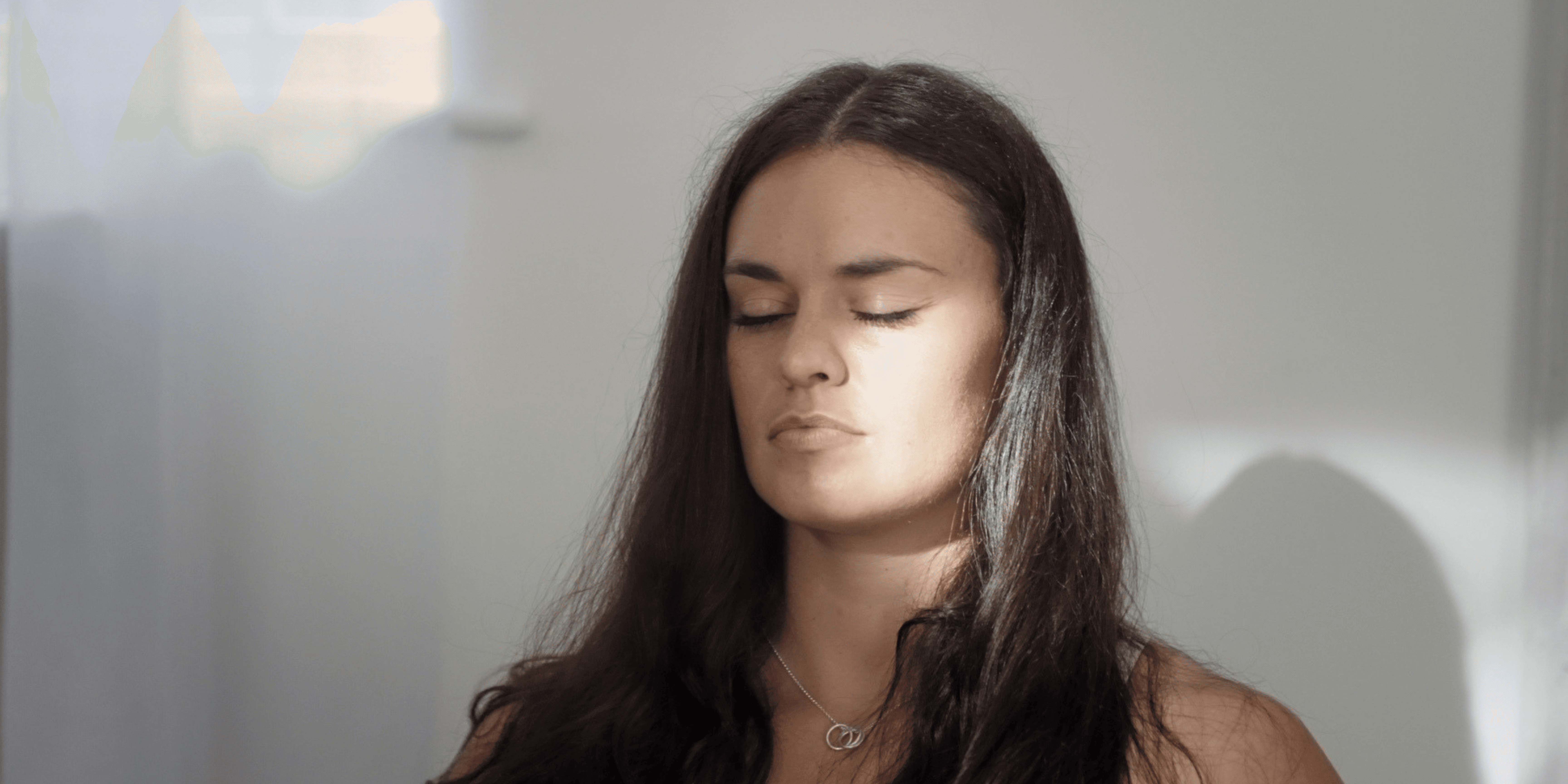
Energy Work
Breathwork
Breathwork is the practice of changing how you breathe, on purpose, to affect how you feel. Techniques range from slow, calming breathing to faster, more energising styles. A breathwork practitioner guides you through them to help with stress, anxiety, low energy, poor sleep and emotional release, in one-to-one sessions, groups or online.
A person who fits you. Not another endless search.
Vetted practitioners · Concession rates available · Free to match
Explore what it can help with ↓
You might be here because…
Your heart races before every presentation and telling yourself to calm down only makes it worse.
You notice you’ve been holding your breath while reading emails.
You’re exhausted at 3pm and reaching for another coffee you know you don’t need.
You’ve felt flat for weeks and want something that helps you feel anything again.
What people say
“I’ve struggled with anxiety for years, but breathwork sessions have given me a simple, powerful tool to calm my mind. I feel more in control of my emotions than ever before.”
What it can help with
Calm on demand
More energy
Better focus
Emotional release
Breathing at around six breaths a minute, much slower than the usual 12 to 20, is linked to higher heart rate variability, a sign your nervous system is shifting into rest mode. Making your exhale longer than your inhale is one of the quickest ways to feel calmer.
What people get wrong about Breathwork
Myth
“Breathwork is just deep breathing.”
Fact
It covers many specific techniques, each with a different effect. Slow breathing settles you, other styles energise you, and some help release emotion.
Myth
“It’s only for people with anxiety.”
Fact
People use it for focus, energy, sleep, performance and recovery, as well as stress.
Myth
“It takes ages to work.”
Fact
Two minutes of slow breathing can change how you feel. Longer sessions build on that over time.
“After a few guided breathwork sessions, our team reported feeling more focused and less stressed. It’s amazing how a simple practice can make such a difference during busy workdays.”
In depth

What it costs
One-to-one breathwork sessions in London usually cost £60 to £120. Group sessions and online classes are around £15 to £35 per person. Many Ark practitioners offer concession rates.
Ways to experience it
1-to-1 sessions
Workshops
Online workshops
Retreats
Private events
At work
“The breathwork session was a highlight of our weekend retreat. Participants said it helped them release tension and connect with themselves on a deeper level.”
FREE PERSONAL MATCHING
Find the right person for you.
You don’t have to work out who’s right for you alone. Tell us what you need, and Ark will match you with vetted practitioners who fit.
What’s on your mind, what you need, and how you’d like to receive support.
Personally picked services and practitioners, chosen around your needs. A starting point that understands you.
Ask a question. Get a feel for the person. Decide when you’re ready, no obligation.
Looking for someone else? Send them this page.
Questions people ask about Breathwork
Can breathwork help with anxiety?
Many people find slow breathing techniques help them feel calmer within minutes, and research supports breathing practices for reducing stress and anxiety. If you have panic attacks, start with gentle styles and a practitioner who knows your history.
What does a breathwork session feel like?
Calming sessions feel slow and restful. Faster, connected styles can bring tingling in your hands or face, warmth, or strong emotion. Your practitioner will guide you through and help you settle at the end.
Is breathwork safe?
Gentle breathing is safe for almost everyone. Faster styles aren’t recommended during pregnancy or if you have heart problems, epilepsy, uncontrolled high blood pressure, glaucoma or a history of psychosis. Always tell your practitioner about your health.
Can I do breathwork online?
Yes. Many people prefer online sessions because they can lie down at home, and it’s easy to keep practising in the same space afterwards.
How often should I do breathwork?
A few minutes of slow breathing every day helps more than an occasional long session. Many people add a deeper guided session every week or two.